

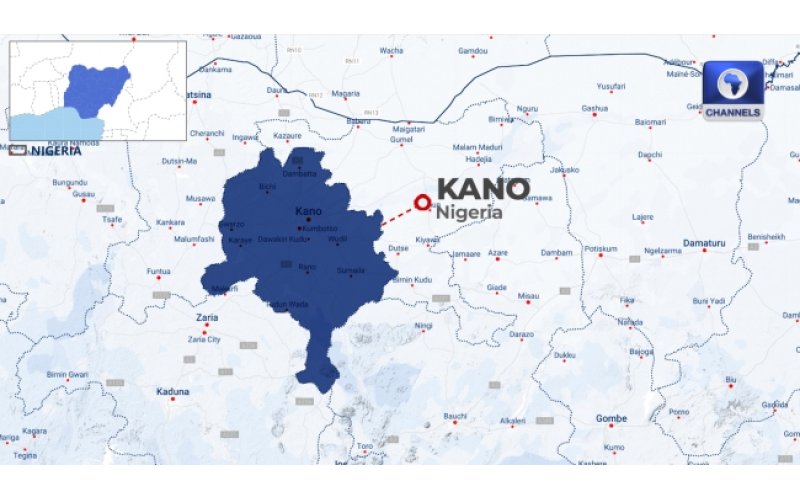
In a decisive step to tackle illegal logging and
indiscriminate tree felling, the Kano State Government has imposed a statewide
ban on unauthorized chainsaw use and introduced a new Chainsaw Usage Permit
Framework (CUPF) to regulate forestry activities.
The announcement was made at the Ministry for Local
Government Conference Hall by the Commissioner for Environment and Climate
Change, Dr. Dahiru Muhammad Hashim, who said the move was crucial to protecting
the environment, safeguarding livelihoods, and ensuring sustainability.
“This action is necessary to protect our environment
from indiscriminate deforestation, safeguard community livelihoods, and ensure
the sustainability of our natural resources,” Hashim stated, addressing civil
society, traditional leaders, and local government officials.
Legal Backing and Climate Commitments
The Commissioner explained that the ban draws
authority from Section 20 of the 1999 Constitution, the NESREA Act (2007), and
the National Environmental Regulations (2014), and aligns with Nigeria’s
climate commitments under NDC 3.0.
Digital Permits and Penalties
Under the new system, a digital registry of licensed
chainsaw operators will be created, with each permit featuring a QR code for
real-time verification.
Violations will attract strict penalties, including:
“We are no longer tolerating indiscriminate felling of
trees. If you cut one, you must plant two or three,” Hashim emphasized.
Structure of the CUPF
The framework introduces two main permit categories:
Funds generated from permit fees will be channeled
into reforestation and climate resilience programs across the state.
Community Engagement
The Commissioner urged traditional rulers, local
government officials, schools, and religious leaders to take active roles in
enforcing the policy and sensitizing communities.
“We expect schools to stop unauthorized cutting of
trees, and for Local Government Chairmen to protect gazetted reserves. Imams,
pastors, and traditional leaders must educate their people about the
consequences of environmental degradation,” he said.
Dr. Hashim also called on Emirate Councils, district
heads, and village leaders to support monitoring and report violations at the
grassroots level.
Appeal for Cooperation
Concluding his address, the Commissioner appealed for full
compliance with the new regulation:
“We urge all chainsaw operators, institutions, businesses, and individuals to
comply fully. Secure a permit before trimming or felling any tree. Register
your operations. Plant more trees. Let us leave a greener Kano for the next
generation.”
Comments:
Leave a Reply