

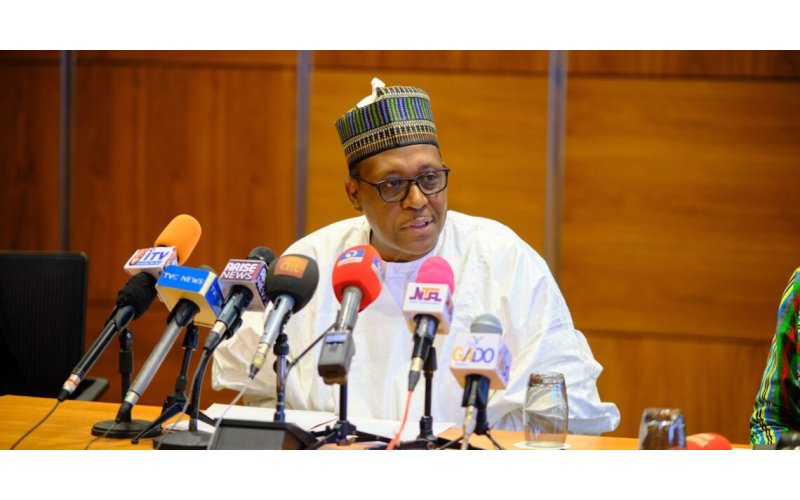
Abuja, Nigeria
— The Coordinating Minister of Health and Social Welfare, Professor Muhammad
Ali Pate, has announced that Nigeria recorded over 2.4 million new
health insurance enrollees in 2024, bringing total coverage to about 20
million Nigerians.
Pate disclosed this in a post on X (formerly
Twitter) on Saturday, noting that the milestone aligns with President
Bola Tinubu’s Renewed Hope Agenda and marks steady progress toward
achieving universal health coverage.
He explained that the new enrollment figures represent
a record-breaking achievement in expanding access to quality and affordable
healthcare, adding that social health insurance schemes now account for 90%
of all enrollments nationwide.
“A major constraint in care quality has been the low
capitation fee for enrollees. For years, the capitation stood at ?750 per
person. We have doubled it to ?1,450 to ensure providers are properly equipped
to deliver consistent, high-quality care,” Pate said.
The minister further stated that fee-for-service
rates have been increased by 380%, based on actuarial evidence aligning
cost-reflective rates with quality requirements.
To improve efficiency, Pate announced the introduction
of the “One Hour Referral Authorization Code”, which ensures faster
referral approvals between primary and specialist healthcare providers.
“By shortening this process to one hour, we are
eliminating unnecessary delays and ensuring that patients move quickly from
primary to specialist care,” he added.
Pate also revealed that the National Health
Insurance Authority (NHIA) has begun deploying covert mystery shoppers
to monitor service delivery and ensure enrollees are not denied treatment.
“Undercover monitors are already observing processes
in facilities nationwide to ensure that insured Nigerians receive timely and
dignified care,” he noted.
According to him, hospital visits surged from fewer
than 10 million in 2023 to over 46 million by the second quarter of 2025,
reflecting growing confidence in the system.
Pate emphasized that out-of-pocket expenditure
still accounts for about 70% of total health spending, calling it a key
barrier to equitable access.
He highlighted ongoing government reforms, including
the training of nearly 120,000 health workers since 2023 and the recruitment
of 2,500 doctors, nurses, midwives, and community health extension workers
to boost frontline services.
Additionally, 4,000 personnel have been added in
Federal Tertiary Hospitals to close workforce gaps, while reforms in the Basic
Health Care Provision Fund (BHCPF) and NHIA have led to measurable
improvements in patient confidence and service utilization.
Pate reaffirmed that these efforts reflect President
Tinubu’s vision of a “people-centred health system that serves all
Nigerians, regardless of income or status.”
“As we modernise infrastructure across all levels of
care, our record-breaking progress in health insurance enrollment is aligning
demand with Nigeria’s expanding human resources and infrastructure,” he said.
The minister assured that the Federal Government would
continue to modernise health infrastructure, strengthen the workforce, and
sustain ongoing reforms until every Nigerian is covered and cared for.
Comments:
Leave a Reply