

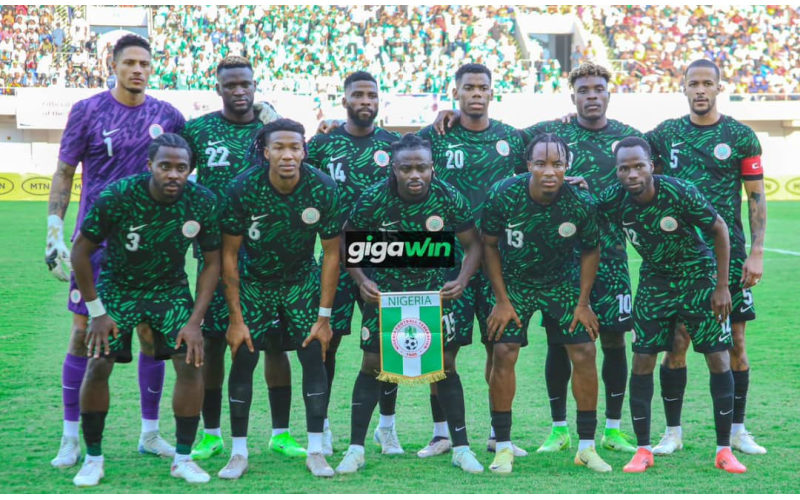
A New Era
for Nigeria’s Super Eagles Under Éric Chelle
As Nigeria embarks on its quest for a place in the
2026 FIFA World Cup, the Super Eagles find themselves at a crucial crossroads.
The recent appointment of Éric Sékou Chelle as head coach has ushered in a
fresh tactical approach aimed at revitalizing the team. Chelle, a former Mali
national team manager, is known for his attacking philosophy and disciplined
defensive structures.
His first challenge is to steer Nigeria out of a
precarious situation in the World Cup qualifiers. Following disappointing
performances, including a shocking 2-1 defeat to Benin, the Super Eagles sit in
a concerning position in Group C. This setback has intensified pressure on
Chelle to secure victories in the next round of qualifiers against Rwanda and
Zimbabwe.
Chelle’s biggest asset is the return of Victor
Osimhen, Nigeria’s prolific striker and reigning African Footballer of the
Year. Osimhen’s influence on the pitch is undeniable, and his ability to lead
the attack could prove decisive in Nigeria’s remaining matches. However,
Nigeria’s success will depend not only on Osimhen but also on a strong midfield
and a resolute defense, areas that have shown vulnerability in recent games.
The Nigerian Football Federation (NFF) has made it
clear that failing to qualify for the World Cup would be unacceptable. The last
time Nigeria missed out on the tournament was in 2006, and the NFF is
determined to avoid a repeat. To ensure success, Chelle has brought in a new
set of assistants, blending experienced tacticians with former players who
understand the team’s culture.
Despite the setbacks, Chelle remains optimistic,
stating, “Nigeria is a football powerhouse. We must respect that history and
work hard to ensure we are part of the World Cup in 2026.”
Ghana’s Black Stars: A Nation’s Pride at
Stake
Ghana, another African football giant, is facing its
own struggles. The Black Stars’ failure to qualify for the 2025 Africa Cup of
Nations (AFCON) was a major embarrassment, marking the first time in 20 years
the team did not make it to the continental tournament. The Ghana Football
Association (GFA) has since been under immense pressure to make drastic
changes.
In response, the GFA appointed German coach Winfried
Schäfer as a technical adviser, working alongside head coach Otto Addo.
Schäfer, known for leading Cameroon to AFCON glory in 2002, brings valuable
experience, but whether his influence will be enough to turn things around
remains uncertain.
Ghana currently sits in a challenging position in
their World Cup qualifying group, with upcoming fixtures against Chad and
Madagascar being must-win encounters. Fans and analysts alike are skeptical of
the team’s ability to bounce back. The squad, once filled with star power, now
lacks the depth and experience seen in previous years. Players like Mohammed
Kudus and Thomas Partey remain key figures, but the absence of consistent
goal-scoring options has left Ghana struggling in attack.
Kurt Okraku, the GFA President, recently addressed the
nation’s concerns, stating, “We’ve learned from our AFCON failure. Our focus is
now on qualifying for the World Cup, and we will not let the country down.”
However, words alone will not satisfy Ghanaian football fans, who have grown
increasingly frustrated with the team’s lack of progress.
The Expanded World Cup: A Lifeline for
African Nations?
The 2026 FIFA World Cup will be the first edition to
feature 48 teams instead of 32, meaning more African nations will qualify than
ever before. This expansion offers both Nigeria and Ghana a greater opportunity
to secure a place on football’s biggest stage. However, competition remains
fierce, with emerging teams such as Mali, South Africa, and Burkina Faso
proving to be formidable challengers.
While historical pedigree gives Nigeria and Ghana an
edge, their struggles in the qualifiers suggest that talent alone will not be
enough. Tactical discipline, squad depth, and the ability to handle pressure
will all play crucial roles in determining their fate.
Can Nigeria and Ghana Rise to the
Occasion?
With a rich footballing history and passionate fan
bases, Nigeria and Ghana have always been considered two of Africa’s strongest
footballing nations. However, recent performances suggest that both teams are
at risk of falling behind if significant improvements are not made.
For Nigeria, Éric Chelle’s appointment marks a fresh
start, but he must prove he is the right man to guide the team to the World
Cup. The return of Victor Osimhen is a major boost, but tactical consistency
and defensive solidity will be key.
For Ghana, the failure to qualify for AFCON has served
as a wake-up call. The GFA’s decision to bring in Schäfer as an adviser signals
an attempt to change direction, but it remains to be seen whether these changes
will translate into results on the pitch.
The upcoming fixtures will be defining moments for
both teams. If they succeed, they will restore national pride and continue
their legacies on the global stage. If they fail, serious questions will be
asked about the future of football in both nations.
The road to the 2026 World Cup is long, but for
Nigeria and Ghana, the time to rise is now.
Comments:
Leave a Reply